
Understanding glycemic variability, postprandial glucose surges, Continuous Glucose Monitoring (CGM), and metabolic optimization.
Book ConsultationQuick Summary
- Yes, Absolutely: A normal HbA1c (below 5.7%) represents an average glucose level over 2–3 months, meaning significant post-meal Glucose Spikes can easily hide behind a normal average.
- The Hidden Danger of Glycemic Variability: Sharp fluctuations between rapid high glucose spikes and sudden crashes cause oxidative stress, vascular inflammation, and cell damage—even with normal fasting glucose.
- Postprandial Blood Glucose: Blood sugar often peaks 30 to 90 minutes after eating refined carbohydrates, sugar, or high-glycemic foods before hyperinsulinemia pulls it back down quickly.
- Continuous Glucose Monitoring (CGM): Wearing a CGM sensor provides real-time glucose visualization, identifying hidden spikes and calculating Time in Range (TIR) that standard blood tests miss.
- Precision Lifestyle Interventions: Fiber-first meal sequencing, post-meal light physical activity, and targeted metabolic care effectively flatten glucose curves.
Table of Contents
1. The HbA1c Illusion: Why Averages Hide Spikes 2. What Is a Glucose Spike and Why Does It Happen? 3. Glycemic Variability vs. Average Blood Sugar 4. Health Consequences of Hidden Glucose Fluctuation 5. Identifying Spikes with Continuous Glucose Monitors (CGM) 6. Evidence-Based Strategies to Flatten Your Glucose Curve 7. The ASY Clinic Metabolic Health Approach 8. Key Takeaways1. The HbA1c Illusion: Why Averages Hide Spikes
For decades, Hemoglobin A1c (HbA1c) has served as the clinical gold standard for screening and monitoring prediabetes and type 2 diabetes. Because HbA1c measures the percentage of hemoglobin coated with glucose over the 120-day lifespan of red blood cells, a result under 5.7% is typically classified as normal.
However, a normal HbA1c does NOT guarantee smooth, stable blood sugar control.
Think of HbA1c as an average monthly temperature. An average of 25°C could mean comfortable weather every single day—or it could mean freezing nights at 0°C balanced out by scorching afternoons at 50°C. In metabolic terms, a individual can experience massive post-meal glucose spikes followed by sharp reactive hypoglycemia drops, yet still present with an entirely normal HbA1c reading.
2. What Is a Glucose Spike and Why Does It Happen?
A Glucose Spike (or postprandial hyperglycemia) occurs when blood sugar rises rapidly after consuming food or drinks, generally peaking between 30 and 90 minutes post-meal.
When you consume fast-digesting carbohydrates (refined sugars, white rice, sweetened beverages, processed snacks), glucose enters the bloodstream much faster than your cells can absorb it. In response, the pancreas releases a massive surge of insulin to clear blood sugar into fat and muscle cells, often causing a sharp drop shortly afterward (reactive hypoglycemia or "food coma").
| Metric | Optimal Range (Non-Diabetic) | Postprandial Spike Zone |
|---|---|---|
| Fasting Blood Glucose | 70 – 99 mg/dL | N/A |
| Peak Post-Meal Glucose | Below 140 mg/dL (Ideally <120) | Greater than 140 – 180+ mg/dL |
| Glucose Return Time | Returns to baseline within 2 hours | Prolonged elevation >2–3 hours |
| HbA1c Equivalent | Below 5.7% | Can easily remain normal (<5.7%) |
3. Glycemic Variability vs. Average Blood Sugar
In clinical longevity medicine, we distinguish between absolute glucose concentration and Glycemic Variability (GV).
Glycemic variability refers to the frequency and amplitude of blood glucose swings throughout the day. Two individuals can have the exact same HbA1c of 5.4%:
- Person A (Stable): Blood sugar stays between 80 and 110 mg/dL all day with minimal fluctuation.
- Person B (Spiker): Blood sugar swings wildly from 60 mg/dL up to 170 mg/dL multiple times daily after meals.
Despite sharing an identical HbA1c, Person B faces significantly higher biological stress and long-term cardiovascular risks compared to Person A.
💡 Clinical Insight: Endothelial Oxidative Stress
Research published in JAMA and metabolic journals demonstrates that rapid glucose fluctuations generate higher levels of reactive oxygen species (ROS) and free radicals than sustained, stable high glucose. These spikes directly damage the delicate endothelial lining of blood vessels.
4. Health Consequences of Hidden Glucose Fluctuation
Experiencing frequent glucose spikes even with a normal HbA1c can lead to several noticeable symptoms and long-term biological consequences:
- Energy Crashes & Brain Fog: The rapid drop in glucose following a spike starves brain cells of steady fuel, causing sudden fatigue, difficulty concentrating, and mood swings.
- Hyperinsulinemia & Weight Gain: Repeated spikes force the pancreas to oversecrete insulin. Elevated chronic insulin blocks lipolysis (fat burning) and promotes visceral fat storage.
- Advanced Glycation End-products (AGEs): High glucose spikes cause sugar molecules to bind to proteins and lipids, accelerating cellular aging, skin collagen degradation, and tissue stiffness.
- Increased Vascular Inflammation: Endothelial dysfunction caused by spikes increases long-term risk for atherosclerosis, arterial stiffness, and cardiovascular events.
- Cravings & Constant Hunger: Reactive blood sugar dips trigger ghrelin (hunger hormone) release, driving intense cravings for quick-carbohydrate foods.
5. Identifying Spikes with Continuous Glucose Monitors (CGM)
Traditional blood tests like Fasting Plasma Glucose or single-point fingerpricks cannot capture what happens after you eat. This is where Continuous Glucose Monitoring (CGM) technology becomes invaluable.
A wearable CGM sensor applies a tiny subcutaneous filament that measures interstitial glucose continuously 24 hours a day. CGM tracking reveals key parameters:
- Time in Range (TIR): The percentage of time blood sugar remains in a healthy target window (e.g., 70–140 mg/dL).
- Postprandial Peak Amplitude: Exactly how high blood sugar rises following specific meals.
- Personalized Food Triggers: Identifying specific foods, sleep deprivation, or psychological stress events that cause individual glucose spikes.
6. Evidence-Based Strategies to Flatten Your Glucose Curve
Flattening your post-meal glucose curve does not require eliminating carbohydrates entirely. Strategic lifestyle habits can significantly reduce spike amplitude:
- Food Order (Meal Sequencing): Eat vegetables/fiber first, followed by proteins and healthy fats, saving refined carbohydrates or starches for last. Fiber slows gastric emptying, delaying glucose absorption.
- Post-Meal Light Movement: Taking a 10-to-15-minute walk right after eating allows skeletal muscle contractions to pull glucose out of the bloodstream independent of insulin.
- Vinegar Before Meals: Consuming 1 tablespoon of apple cider vinegar in water before meals inhibits alpha-amylase enzymes, slowing starch breakdown.
- Prioritize Sleep & Stress Management: Elevated cortisol and adrenaline from poor sleep or chronic stress trigger glycogen release from the liver, elevating baseline glucose and worsening insulin sensitivity.
7. The ASY Clinic Metabolic Health Approach
At ASY Clinic, we look beyond basic blood panels to deliver comprehensive, precision-guided metabolic health assessments:
- CGM & Metabolic Tracking: Sensor-guided evaluation to map individual glycemic response and calculate personal Time in Range (TIR).
- Advanced Biomarker Panels: Measuring Fasting Insulin, HOMA-IR (Insulin Resistance Index), High-Sensitivity CRP (hs-CRP), and lipid particle profiles alongside standard HbA1c.
- Precision Longevity & Lifestyle Planning: Tailored nutritional advice, exercise prescriptions, and targeted supplement protocols designed by clinical specialists.
- Integrated Medical Oversight: Direct care managed by certified physicians specializing in preventative medicine, hormone balance, and metabolic wellness.
8. Key Takeaways
- HbA1c Is an Average: A normal HbA1c (<5.7%) can easily mask severe daily glucose spikes and reactive drops.
- Glycemic Variability Matters: Sharp blood sugar swings create more oxidative stress and vascular damage than steady, moderate levels.
- Symptoms Are Warnings: Brain fog, afternoon energy crashes, and intense sugar cravings are classic indicators of unmonitored postprandial spikes.
- CGM Provides Clarity: Continuous Glucose Monitoring allows real-time visualization of your unique metabolic response to food, sleep, and exercise.
Frequently Asked Questions
What glucose level is considered a spike after a meal?
For a non-diabetic individual with optimal metabolic health, blood glucose should ideally stay below 120–140 mg/dL after meals and return to baseline within 2 hours. A spike above 140–180 mg/dL indicates elevated postprandial glycemic variability.
Can stress or lack of sleep cause glucose spikes without food?
Yes. Psychological stress and sleep deprivation trigger the release of cortisol and adrenaline. These stress hormones signal the liver to release stored glycogen into glucose, raising blood sugar levels even if you haven't eaten carbohydrates.
Is a CGM sensor useful for people who do not have diabetes?
Absolutely. CGMs are increasingly used in preventative and longevity medicine to identify hidden insulin resistance, optimize metabolic flexibility, personalize nutrition, and improve daily energy levels before clinical diabetes develops.
How long does it take for blood sugar to return to normal after a spike?
In a metabolically healthy individual with good insulin sensitivity, blood sugar usually peaks around 45–60 minutes post-meal and returns to fasting levels within 2 hours. Delayed recovery beyond 2–3 hours suggests reduced insulin sensitivity.
About the Author
Dr. Sirirat Nakdang
นพ. สิริรัฐ นาคแดง
แพทย์ผู้เชี่ยวชาญด้านเวชศาสตร์ป้องกันและสุขภาพเพศชาย
Preventative & Longevity Medicine Specialist
Sirirat Nakdang, MD
Metabolic Health & Precision Medicine Specialist
Thai Medical License No. ว55466
References
- Monnier, L., et al. (2006). Activation of oxidative stress by surge in glucose in type 2 diabetes. JAMA, 295(14), 1681–1687.
- Ceriello, A., & Colagiuri, S. (2008). International Diabetes Federation guideline for management of postmeal glucose. Diabetic Medicine, 25(10), 1151–1156.
- Battelino, T., et al. (2019). Clinical targets for continuous glucose monitoring data interpretation: recommendations from the international consensus on time in range. Diabetes Care, 42(8), 1593–1603.
- Shukla, A. P., et al. (2015). Food order has a significant impact on postprandial glucose and insulin levels. Diabetes Care, 38(7), e98–e99.
Consultation & Metabolic Screening
Assess your glycemic variability, try Continuous Glucose Monitoring, and optimize your metabolic health with personalized care at ASY Clinic.
Book Consultation
Painless hematuria
Painless blood in urine (Hematuria) may appear only once and disappear, but it should never be ignored. Learn about possible causes—including stones, prostate conditions, kidney disease and urinary tract cancer—and when to see a urologist.

Peptides and Healthy Aging: Evidence vs Experimental | Peptide Pattaya
Peptides are not automatically experimental. Insulin, GLP-1 medicines, teriparatide and many other peptide drugs are established medical therapies. But many peptides promoted for longevity or anti-aging still lack robust human evidence.
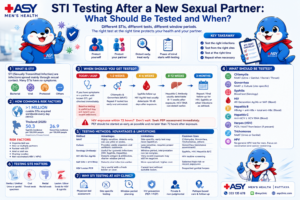
STI Testing After a New Sexual Partner: What to Test & When | Pattaya
STI testing after a new sexual partner is not simply one “full panel” done on one day. Different infections require different samples and have different window periods. Learn what to test, when to test, and when repeat testing may be needed.